South Africa’s business-services economy has delivered a useful signal for owners, marketing teams and sales teams: there is activity to pursue, but the opportunity still needs to be managed consistently.
Statistics South Africa’s latest economic wrap-up reported that real estate and other business services turnover increased by 10,7% year on year in the second quarter of 2026. The broader quarterly financial statistics release also recorded a 3,4% increase in turnover for the sector between the first and second quarters. Stats SA’s QFS data excludes financial intermediation and insurance, but includes a wide range of business activity relevant to service providers.
The figures are reporting, not a guarantee that every firm will experience growth. The operational question for smaller businesses is what happens after a prospect makes contact.
More activity can expose weak handovers
When enquiries arrive through several channels, a business can easily lose track of who responded, what was promised and when the next contact is due. A website form may sit beside email enquiries, social media messages, referrals and phone calls. If those contacts are kept in separate inboxes or spreadsheets, follow-up becomes dependent on memory.
That creates a gap between market interest and sales execution. A growing pipeline is only useful when the business can record the contact, assign responsibility, obtain the appropriate permission and continue the conversation at the right time.
Three practical steps for service businesses
- Capture the source and context. Record where the enquiry came from, what the prospect asked for and which service or content prompted the contact.
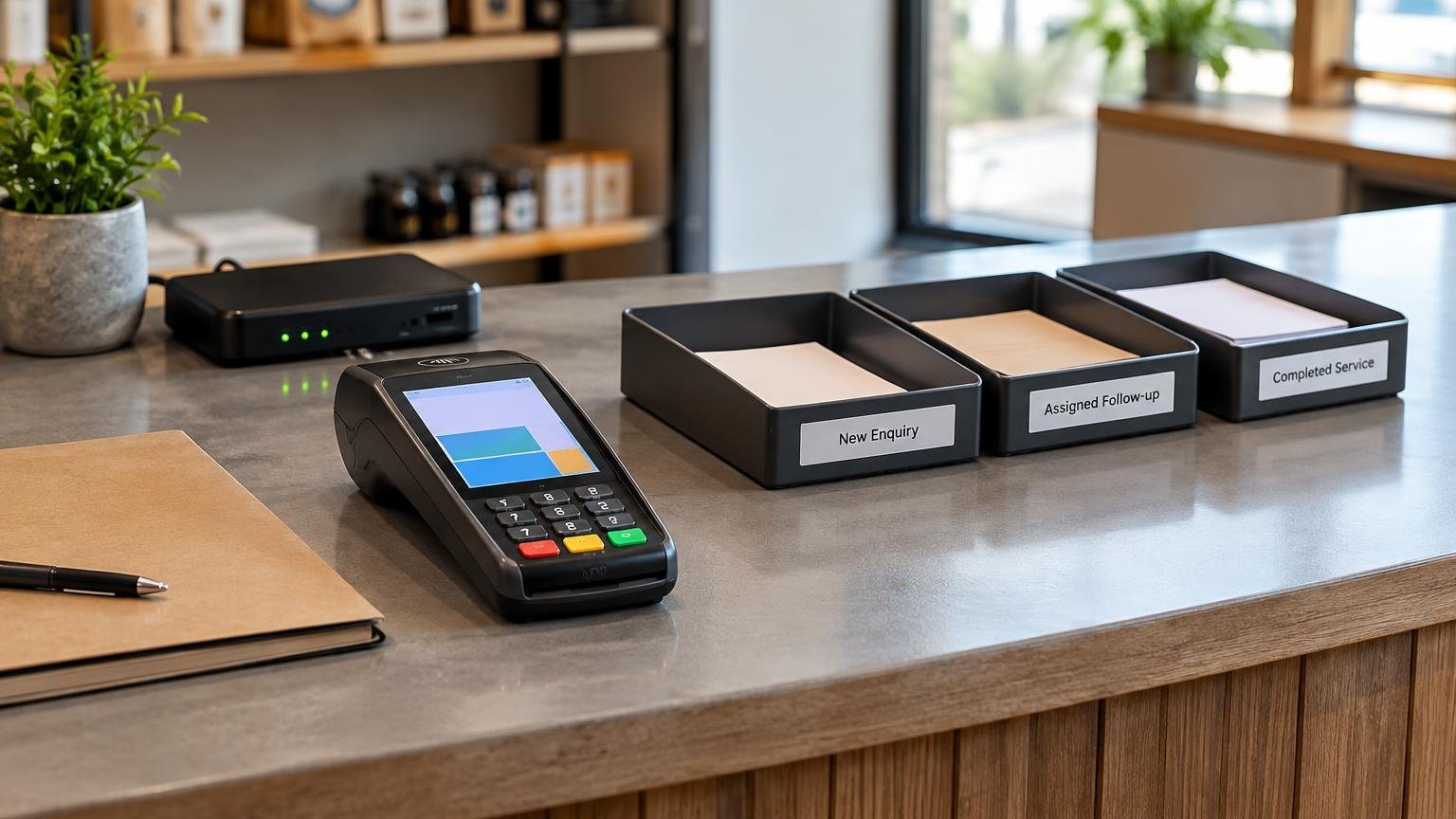
- Set a clear next action. Every open lead should have an owner and a practical follow-up date. “Contact later” is not a process; a scheduled task is.
- Review movement, not just volume. Track how many enquiries receive a response, how many progress to a meeting or proposal, and where contacts stop engaging.
These steps also help marketing and sales teams work from the same information. A shared CRM can keep leads and contacts together, show assigned responsibilities and preserve the history of conversations. Where permission has been obtained, selected contacts can be placed into an opt-in invitation or nurture sequence with recorded consent and clear unsubscribe handling.
Turn the signal into a repeatable operating rhythm
Stats SA’s September economic wrap-up showed that several parts of the economy were moving in different directions: manufacturing and retail were positive, while mining declined. The report is a reminder that broad economic indicators do not replace customer-level evidence.
For a service business, that evidence can come from a clean record of enquiries, response times, meeting outcomes and content engagement. Branded email, timed nurture sequences and open and link tracking can support this process when they are used with permission and reviewed by a person. Editable articles and social posts can then be coordinated through a content workflow rather than recreated separately for each channel.
The practical takeaway is straightforward: use the current turnover signal as a reason to inspect the follow-up system. Check whether every new enquiry is captured, whether ownership is visible and whether the next action is scheduled. Businesses that need help mapping email sequences and follow-up stages can review the email-sequence service before deciding what should be automated.