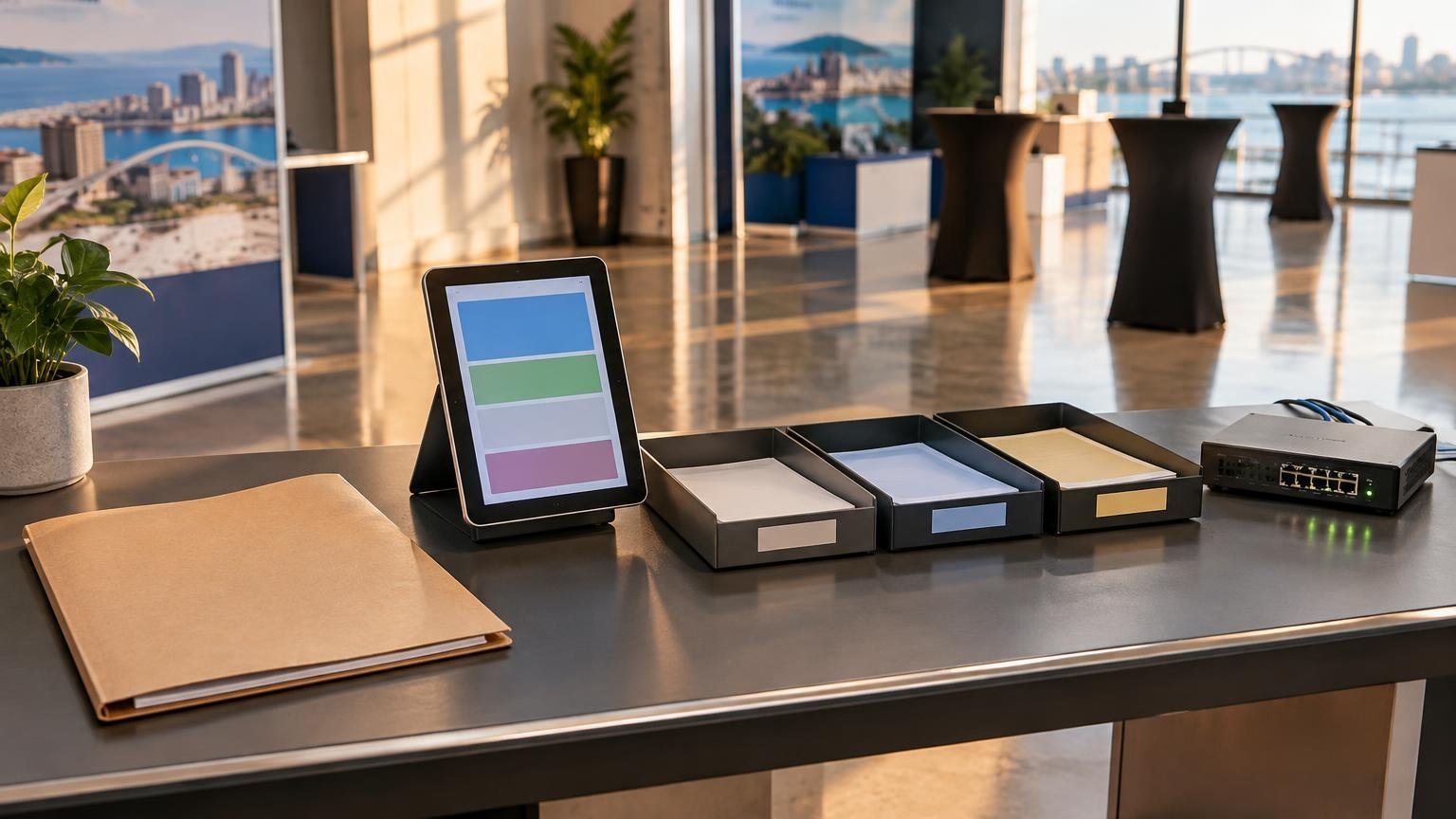
Durban is preparing to host the third edition of the reSURGEnce Durban Conference from 24 to 28 October 2026, with the main conference and exhibition scheduled for 26 and 27 October at the Durban Exhibition Centre. The programme is intended to connect local enterprises with international markets, investment discussions and business-to-business engagements. The announcement was issued by eThekwini Municipality.
For owners and sales teams, the practical opportunity is not simply attending another business event. It is making sure that conversations become identifiable enquiries, recorded next actions and timely follow-up.
Interest is not yet a lead
Events can generate a large number of conversations, introductions and informal expressions of interest. Without a consistent process, those interactions often remain in notebooks, email inboxes or individual mobile phones.
A useful event process starts before the first meeting. Teams can decide which information they need to capture, what permission is required for future marketing, and which enquiries should receive a personal response rather than a general campaign. A shared CRM can then hold the contact details, source of the enquiry, stated need, owner and next action in one place.
This distinction matters. A person who exchanged a business card has not automatically agreed to receive promotional email. South Africa’s Information Regulator says that unsolicited electronic direct marketing generally requires consent, with the first communication used to request that consent in applicable circumstances. The Regulator’s POPIA guidance explains the consent requirement and available complaint process.
Three follow-up steps for participating businesses
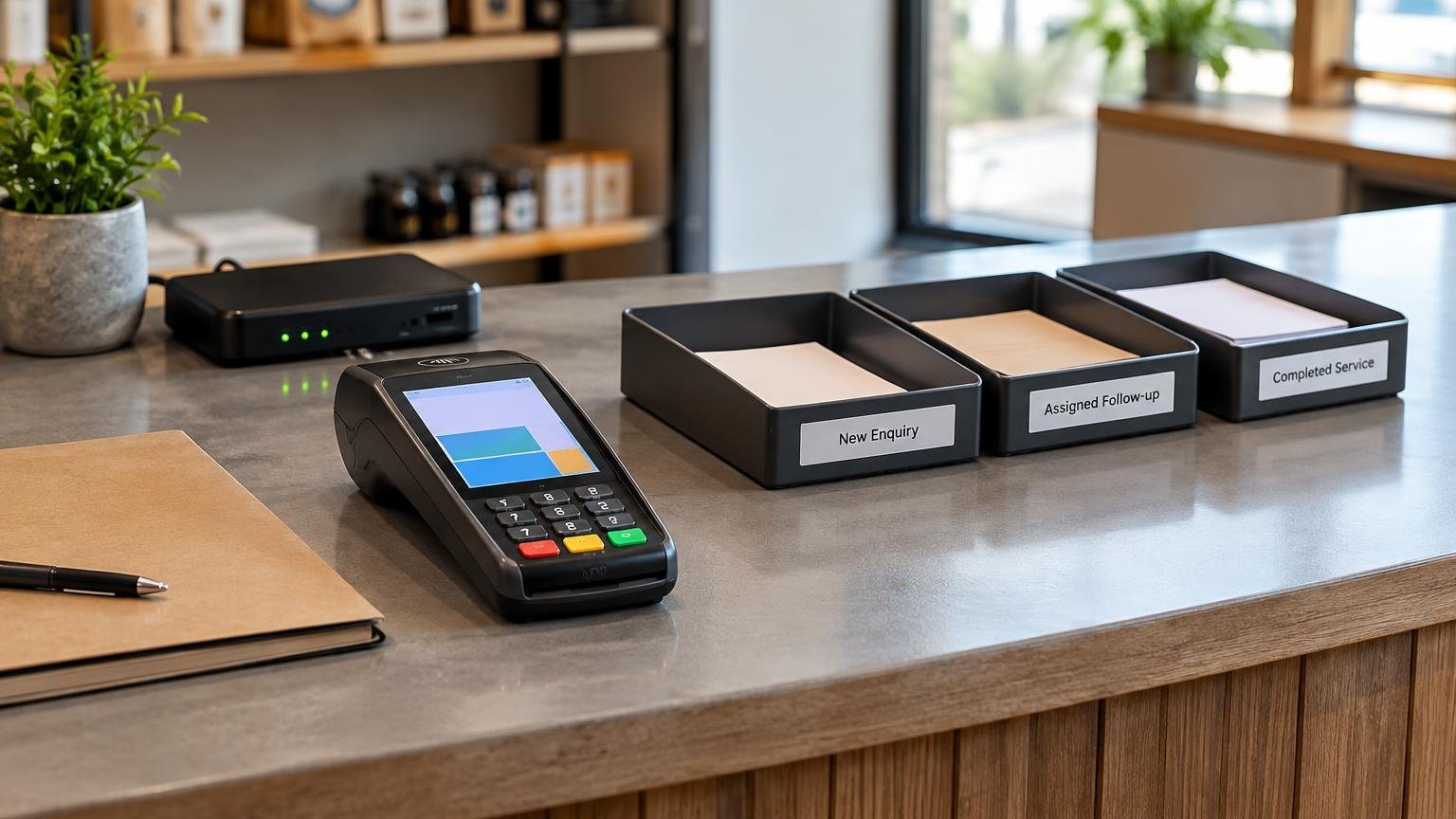
- Record the context. Capture where the enquiry came from, what the prospect asked about and who is responsible for the next response.
- Separate permission from interest. Store consent and subscriber status clearly rather than treating every event contact as a marketing subscriber.
- Set a deadline. Assign a date for the next action, whether that is a proposal, a call, a product explanation or a permission request.
For businesses meeting potential partners from South Africa, the United States, Zambia and Uganda, the municipality says the event will include investment discussions, exhibitions and business-to-business engagements. Its earlier event notice describes the conference theme as “Decreasing Barriers by Increasing Access”. That makes post-event coordination particularly important: different contacts may need different messages, owners and response times.
Where connected content operations help
Once a contact has given the appropriate permission, a team can use a shared workspace to assign selected contacts to an invitation, send branded email and monitor opens or link activity. A timed nurture sequence may be appropriate for a longer buying cycle, while a sales owner handles a specific commercial enquiry directly.
Content teams can also prepare an editable article or social post explaining the business’s offer before the event and update it afterwards with common questions or useful next steps. The value is not automation for its own sake. It is reducing the manual handovers between the person who met a prospect, the marketer who sends information and the salesperson who follows up.
A practical event checklist
Before attending, define the fields and permission language. During the event, record the conversation while it is still fresh. Within one working day, review each contact, assign ownership and send only the communication that matches the person’s permission and stated interest.
Businesses that want to map email sequences, consent records and assigned follow-up in one workflow can talk through an email-sequence setup. Managed account setup costs R30,000. New sign-ups may qualify for promotional setup, subject to confirmed eligibility and scope.