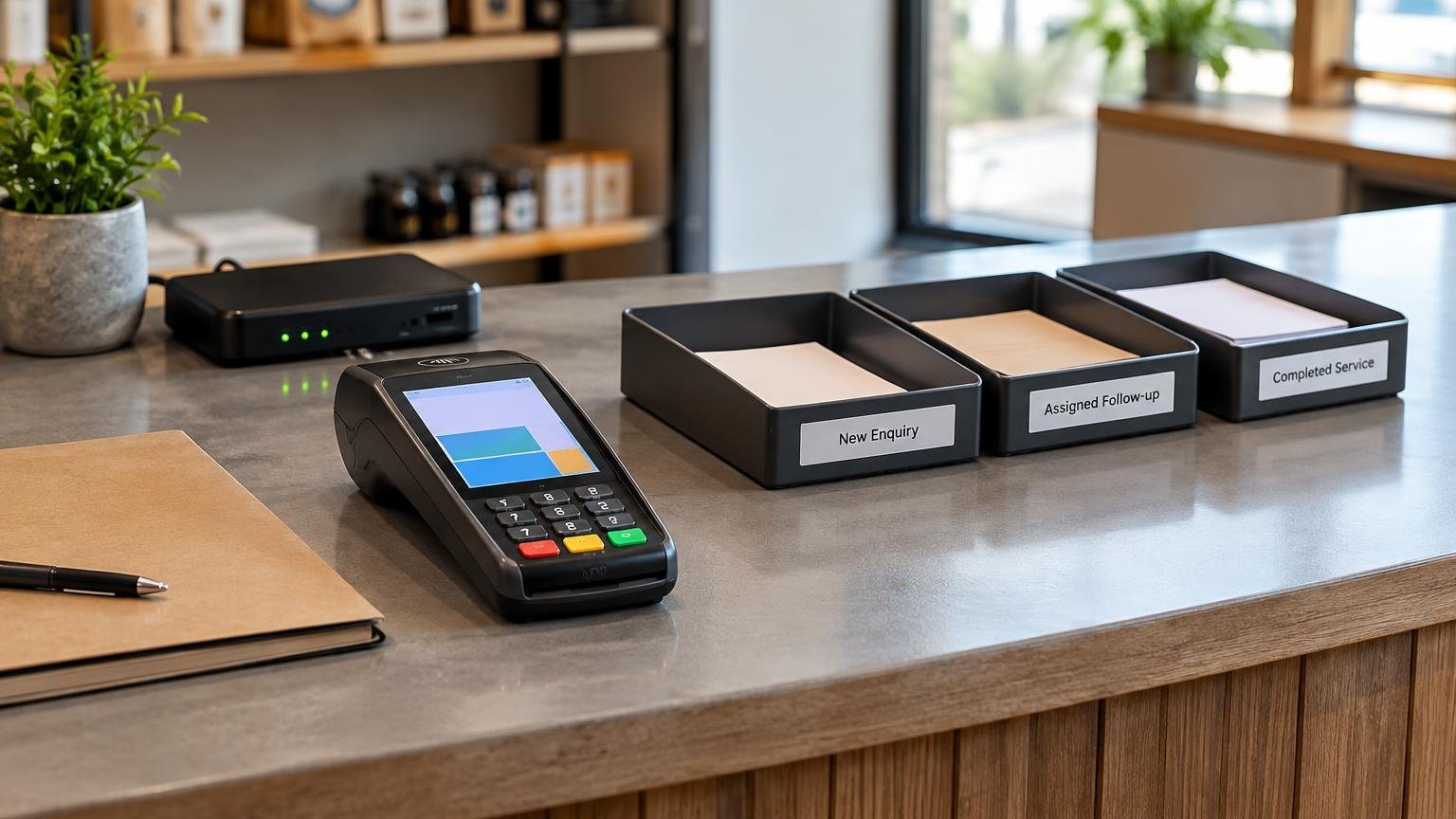
South Africa’s payment infrastructure is undergoing an operational handover that could make payment-related customer follow-up easier to structure over time. The South African Reserve Bank (SARB) says functions previously associated with the Payments Association of South Africa have moved to the SARB and PayInc as part of a broader effort to strengthen the national payment system.
The transition took effect in stages, with some responsibilities moving on 11 August 2026 and the broader change becoming effective on 2 September 2026. The SARB says the aim is to support a safe, efficient and resilient payment environment, with regulation, authorisation and standards handled by the central bank and several payment-clearing functions handled through the relevant operators. Read the SARB’s payment-system transition overview.
Why this matters beyond the payment itself
For an owner or sales team, a successful payment is not always the end of the relationship. It can be the point at which a business confirms what was bought, assigns the next action and identifies whether the customer should receive a service update, renewal reminder or permission-based invitation.
The payment-system transition does not automatically create a new CRM capability for a small business. However, it does provide a useful operational prompt: payment information, customer records and follow-up tasks should be connected deliberately, with access and consent handled carefully.
The SARB’s October Payments Conference message also points to a wider modernisation agenda, including more open and connected payment infrastructure. The Governor said the next phase would involve further work on authorisation, QR payments, PayShap adoption and regional payment connectivity. Those developments are relevant to businesses that want fewer manual handovers between a payment confirmation, an order update and a customer conversation. See the SARB Governor’s 20 October 2026 speech.
A practical workflow for small teams
Businesses do not need to wait for every payment-system project to be completed before improving their own process. A useful starting workflow is:
- Record the customer and transaction: Keep the lead or contact record connected to the relevant order, service or enquiry.
- Assign the next action: Decide whether the next step is delivery confirmation, onboarding, a support call or a future renewal reminder.
- Separate consent from payment: A customer paying for a product or service does not automatically mean they have agreed to unrelated marketing. Record permission separately and suppress contacts where required.
- Measure the handover: Track whether payment confirmations, follow-up messages and assigned tasks are completed on time.
What to review now
Sales and marketing teams can use this moment to map where payment information enters the business and where follow-up is currently lost. Look for duplicated spreadsheets, unassigned receipts, inbox-only confirmations and customers who receive no clear next step after payment.
In a shared CRM, leads and contacts can be linked to assigned actions, while selected contacts can be added to an opt-in invitation or nurture sequence only when the consent record supports it. Branded emails, timed sequences and open or link tracking can then help the team see whether the follow-up was delivered and engaged with. The value is not the payment integration alone; it is the reduction of manual handovers around the transaction.
For businesses that need help connecting email sequences, contact records and follow-up tasks, review the email-sequence setup options. Any implementation should be scoped around the configured plan, consent requirements and the systems already used by the business.